
Castings
This specific guidance is targeted at areas within the fabrication process that will lead to improvements in the finished product. It is our aim to educate and provide awareness to our customers, that will save time and money, by correcting potential design flaws.
The Hot Dip Galvanizing of castings is covered by BS EN ISO 1461 – 2022 and usually the process forms a tough adherent coating that provides excellent protection from corrosion, however it is not uncommon to get a poor quality finish which the galvanizer has no control over.
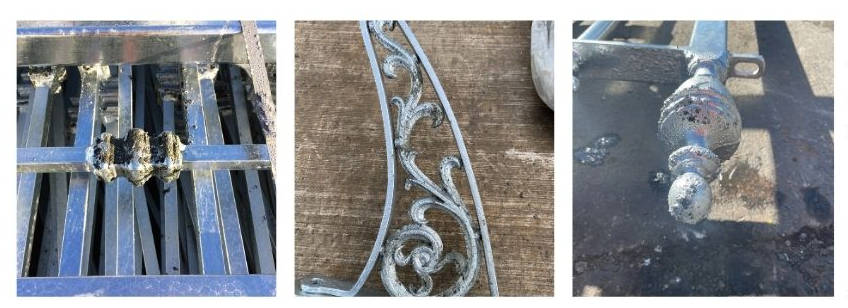
Surface Imperfections Causing Poor Quality
If any problems are experienced with the hot dip galvanizing of castings, they can usually be traced back to the surface condition of the castings. Imperfections can include burnt-on moulding sand, oxides from the annealing process, traces of graphite, or pollution or surface flaws such as shrinkage holes.
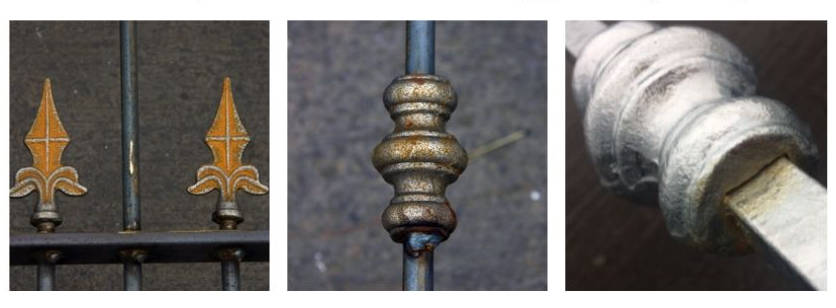
Proper Grit Blasting Leading to Superior Quality
Conventional hydrochloric acid based pre-treatment for hot dip galvanizing of steel does not remove the imperfections mentioned above. The necessity of sound preparation by grit blasting to remove surface contaminants is crucial if a quality finish is to be successfully achieved.
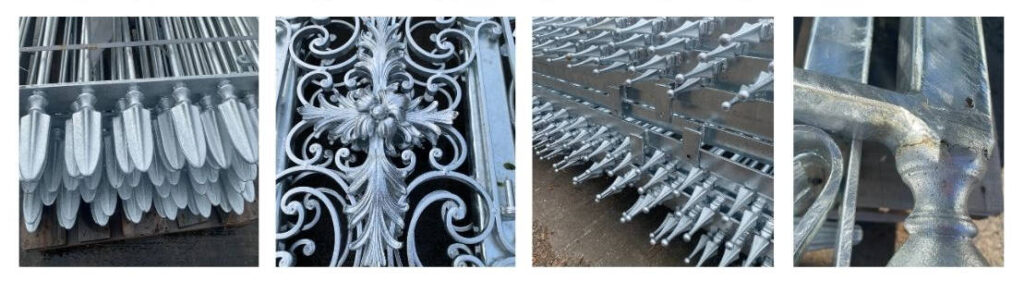
So remember – if it’s cast, you blast!
Note: When cast iron is welded to mild steel there needs to be sufficient weld as differing material composition can lead to cracking of the weld.
Should you wish for any further information please do not hesitate to contact one of our experts.